
"I have an iPhone X, bought less than a year ago. Everything works fine except for one issue: screen randomly goes black , but the phone doesn't turn off. When I press the lock button, the screen locks, and after unlocking, it works normally again. This keeps happening at random intervals. What could be causing this iPhone screen to go black randomly, and how can I fix it?"
The problem that the iPhone screen goes black randomly during normal use is bothering many people. According to some users, this problem happens when turning the iPhone into landscape orientation, using certain apps, during or after a phone call, or a few minutes after unlocking. So, what's the reason behind this problem and how can you fix it?
Quick answer: If your iPhone screen randomly goes black but the phone stays on, start with a force restart, storage cleanup, and iOS update. If this mainly happens while charging or after charging overnight, see our guide on iPhone screen going black while charging. If the problem started after a drop, water exposure, overheating, or screen replacement, treat it as a possible hardware issue and contact Apple Support or a repair provider.
| What you see | Likely cause | Best first step |
|---|---|---|
| Screen goes black but audio, vibration, or touch still works | Display glitch, app crash, proximity sensor issue, or system bug | Force restart, update iOS, and test without the case or screen protector |
| Screen slowly dims instead of turning fully black | Brightness, Auto-Brightness, Low Power Mode, or overheating | Check display and battery settings, then let the iPhone cool down |
| Black screen with spinning wheel or repeated restart | System crash or boot loop | Try force restart, then use recovery mode or iOS repair if needed |
| Black screen after drop, water damage, or screen repair | Likely hardware or display cable damage | Stop software fixes and get the device inspected |
Notice:
When your iPhone encounters some minor problems (like the screen going black randomly) but still works, force restart (or hard reboot) is the first solution you should try. A forced restart will close all running apps, release memory, and refresh the system. This helps repair some problems and won't cause any data loss on the device. To force restart your iPhone, follow the steps below according to your model. You can also check Apple's official force restart guide.
iPhone 8/later Press and release the Volume Up button. Press and release the Volume Down button. Then press and hold the Power button until the Apple logo appears.
iPhone 7 Press and hold the Power and Volume Down buttons at the same time until the Apple logo appears.
iPhone 6s/earlier Press and hold the Power and Home buttons at the same time until the Apple logo appears.
Insufficient storage may also cause the iPhone screen to go black randomly. So, go to Settings > General > iPhone Storage to check your remaining storage. If you have less than 3GB of storage left, clean up unnecessary contents and temporary files to free up the iPhone storage space. Apple also explains how to manage storage on iPhone. Then observe the iPhone for a while to see if the black screen problem has been fixed.
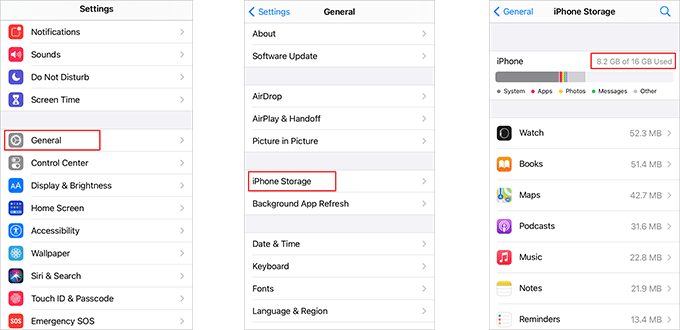
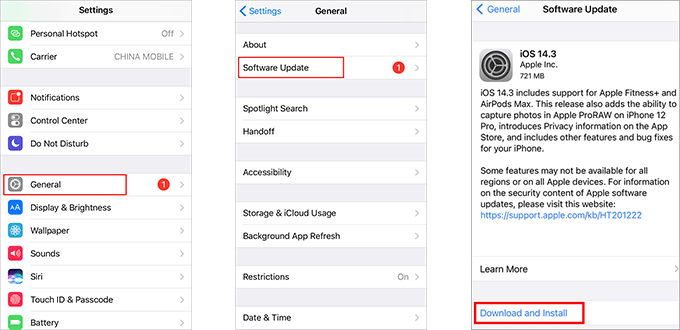
If you have tried the above two methods, but the random black screen problem persists, then chances are that your iPhone is having a system fault. Updating the iOS software may fix the problem. Apple also recommends keeping iPhone updated through Settings or a computer.
Step 1 Go to Settings > General > Software Update.
Step 2 iPhone will start checking for update and then display the latest iOS version on the screen.
Step 3 Tap Download and Install to start updating the iPhone.
In case none of the proceeding methods works, in order to avoid trouble and save time, it is recommended that you turn to a professional iOS system repair tool. iSumsoft iOS Refixer is a good choice. It is a powerful and yet easy-to-use iOS system repair tool that helps fix all kinds of iPhone problems caused by system failures, including the screen randomly going black.
Before using any repair tool, back up your iPhone if the screen is still usable. If you do not want to use iTunes or iCloud, see how to back up iPhone without iTunes or iCloud.

iSumsoft iOS Refixer
Step 1 Download and install the iSumsoft iOS Refixer on a PC with iTunes installed. After installation, launch this tool, but you don't need to launch iTunes.
Step 2 Select Standard Mode from the main interface of the software and on the next page, click Start to proceed.

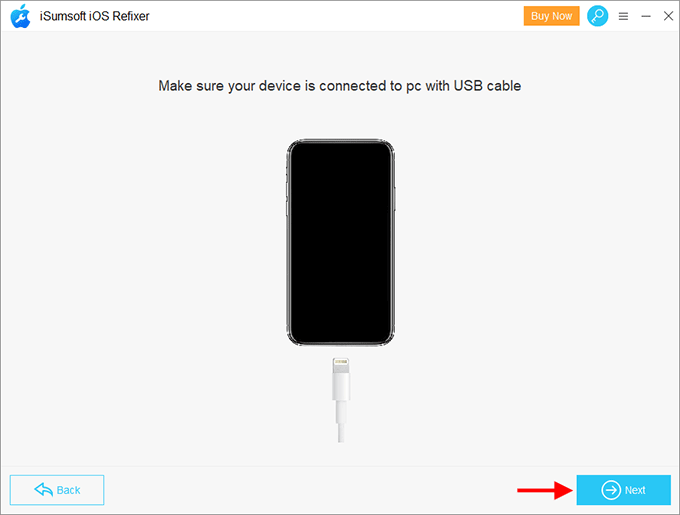
Step 3 Now connect the iPhone of which screen goes black randomly to the PC using a USB cable, and then click Next. Then the software will recognize the iPhone and load its device info.
Step 4 Click Download to download the new firmware required to repair the iOS system. The download will start automatically and complete in a few minutes.
Tips:

Step 5 Everything is ready. Now click Repair. The software will immediately start repairing the iPhone without deleting any data. Just keep the iPhone connected and wait for the repair to complete.
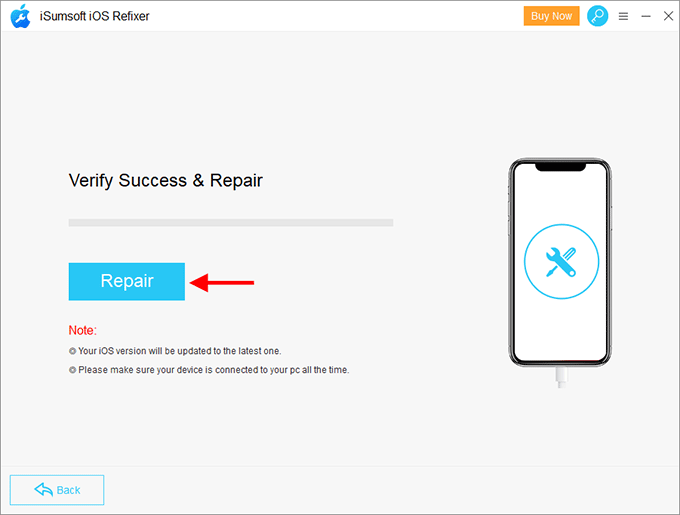
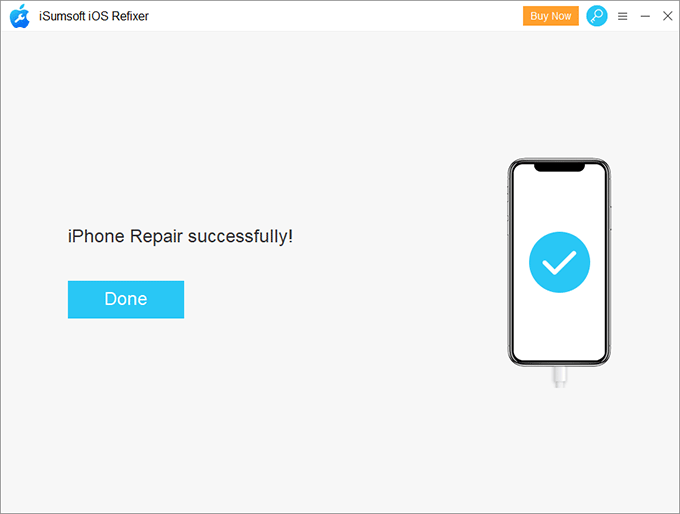
Step 6 When the software informs that the iPhone has been repaired successfully, your iPhone will restart normally in a few seconds. Test the device for a while to confirm whether the random black screen problem is gone.
In most cases, an iOS system repair tool helps successfully fix the iPhone screen going black randomly caused by software problems. But if you don't want to use any third-party tools, then the last resort you can try is to restore your iPhone to its factory settings using recovery mode. This will delete all data, apps, and settings on the iPhone. So, back up your iPhone first. You can also review Apple's computer restore guidance. Then follow these steps to restore your iPhone to factory settings.
Step 1 Connect the iPhone to a Mac or to a Windows PC. On newer Windows setups, use the Apple Devices app. If Apple Devices is not installed, use iTunes.
Step 2 While the iPhone is connected, force restart the iPhone to get into the recovery mode.
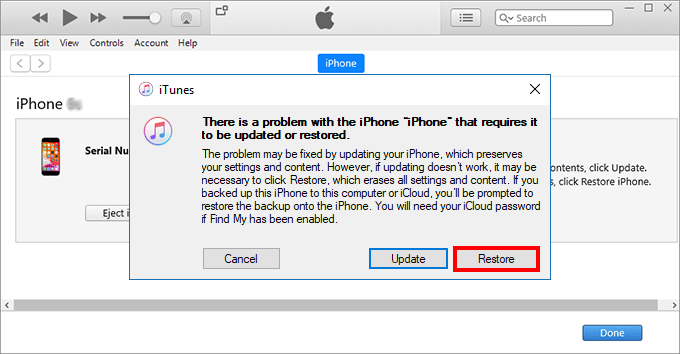
Step 3 Finder, Apple Devices, or iTunes will show an option to update or restore the iPhone. Choose Restore only after confirming you have a backup.
Tips:
This usually points to a temporary iOS glitch, app crash, display setting, proximity sensor problem, or a display-related hardware issue. If this happens specifically when putting the phone to your ear or taking it away, see why iPhone screen stays black during calls. If audio, vibration, or touch still works while the screen is black, start with software fixes. If it began after a drop, water exposure, or screen repair, have the device inspected.
No. A force restart only refreshes the system and does not erase photos, messages, apps, or settings. It is the safest first fix when the iPhone is still responsive or the screen comes back after a few seconds.
No. Random black screen usually means the display turns off or stops showing content. Screen dimming is often caused by Auto-Brightness, Low Power Mode, overheating, or display settings. If your screen only gets darker, see the guide for iPhone screen keeps dimming.
Try restore only after backing up your data and trying safer fixes. If the iPhone has visible damage, water exposure, screen lines, flickering, or a recent display replacement, software restore may not help and a hardware inspection is more appropriate.
 iPhone Flashing Apple
Logo on and off? Why + 5 Fixes
iPhone Flashing Apple
Logo on and off? Why + 5 Fixes
 iPhone
Screen Keeps Dimming Even with Auto Brightness off? Why and How to Fix
iPhone
Screen Keeps Dimming Even with Auto Brightness off? Why and How to Fix
 Fix:
iPhone Shows White Screen with Apple Logo Then Turns Off
Fix:
iPhone Shows White Screen with Apple Logo Then Turns Off
 How to Fix
iPhone Stuck on Black Screen with Spinning Wheel
How to Fix
iPhone Stuck on Black Screen with Spinning Wheel
![[Fixed] Green Screen of Death iPhone X/XS/11/12/13/14? 8 Ways!](../images/ios-issues/iphone-green-screen-of-death-issue-how-to-fix/how-to-fix-iphone-x-green-screen-of-death.webp) [Fixed] Green
Screen of Death iPhone X/XS/11/12/13/14? 8 Ways!
[Fixed] Green
Screen of Death iPhone X/XS/11/12/13/14? 8 Ways!
 5 Ways to Fix iPhone White
Screen of Death
5 Ways to Fix iPhone White
Screen of Death
 Why Does My iPhone Screen Go Black During Calls? 7 Fixes
 iPhone Screen Goes Black While Charging or Overnight? 6 Fixes
 iPhone Screen Goes Black While Using Apps? Causes and Fixes
