How to Save Disk Space with Windows Update Cleanup

When you install updates from Windows Update, Windows keeps older versions of the system files around. This allows you to uninstall the updates later. However, if you don't plan on ever uninstalling any Windows updates, this is a waste of space. This is safe to delete Windows Update Cleanup files as long as your computer is working properly and you don't plan on uninstalling any updates. After you install this update, you can use the Windows Update Cleanup option to delete Windows updates files that you no longer need.
- Option 1: Clean up Windows Update files via Storage Setttings
- Option 2: Clean up Windows Update files via Cleanup tool
How to clean up Windows Update files via Storage Settings
You can use Storage Sense to delete these outdated Windows Update files.
Step 1:Click Start, type Storage in the Start Search box, and then click OK.
Step 2: Select Temporary files in the storage breakdown.
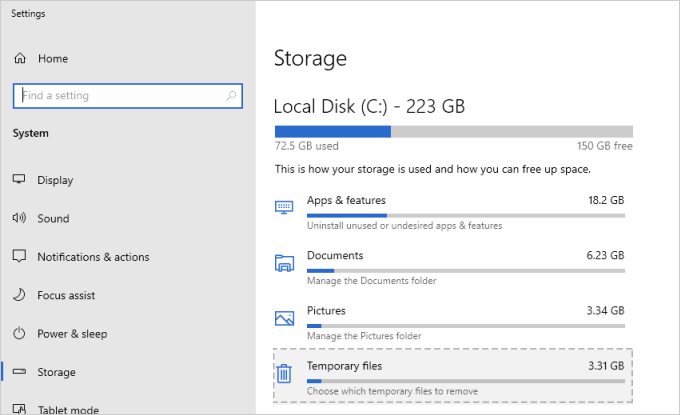
Note: If you don't see Temporary files listed, select Show more categories.
Windows will take a few moments to determine what files and apps are taking up the most space on your PC.
Step 3: Select the Windows Update Cleanup option that you want to delete, and then select Remove files.

How to Remove Windows Installation Folder using Disk Cleanup
Windows .old folder contains a copy of the previous Windows installation in C: disk, and it takes up much of storage. It can free up several GBs of disk space by using the Remove previous Windows installations option in Disk Cleanup Tool.
Step 1: Click Start, type disk in the Start Search box, and then click OK.
Step 2: Once the tool opens, click Clean up system file button.
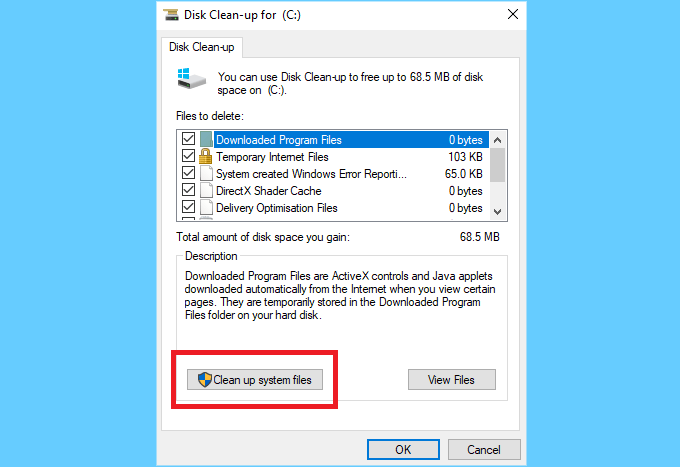
Step 3: On the Disk Cleanup tab, select Windows Update Cleanup, and then click OK.
Note: By default, the Windows Update Cleanup option is already selected.

Step 4: When a dialog box appears, click Delete Files.
While there you may also want to delete these upgrade & installation files:
- Windows upgrade logs files: These files contain information that helps you troubleshoot upgrade & installation process. If your process has gone smoothly, you may delete these files.
- Temporary Windows installation files: These installation files are used by Windows setup and they can be safely deleted.
Related Articles
![[2023] How to Find and Delete Duplicate Files on Windows 10/11]() [2023]
How to Find and Delete Duplicate Files on Windows 10/11
-
![Delete Windows 10 previous folder]() 3 Ways to
Delete the Windows old Folder Windows 10
-
![not enough space for Windows 10 update]() 5 Ways to Fix Not
Enough Disk Space for Windows 10 Update
-
![empty recycle bin]() 5 Ways to Empty
Recycle Bin on Windows 10 PC
-
![remove junk files on Windows 10]() How to Remove All Junk Files
from Windows 10 Computer
-
![Fix Windows 10 Slow Boot after Update]() How to Fix Windows 10
Slow Boot after Update